How the Elders Who Raised Me Taught Me a Calmer Way to Handle a Child Who Lies
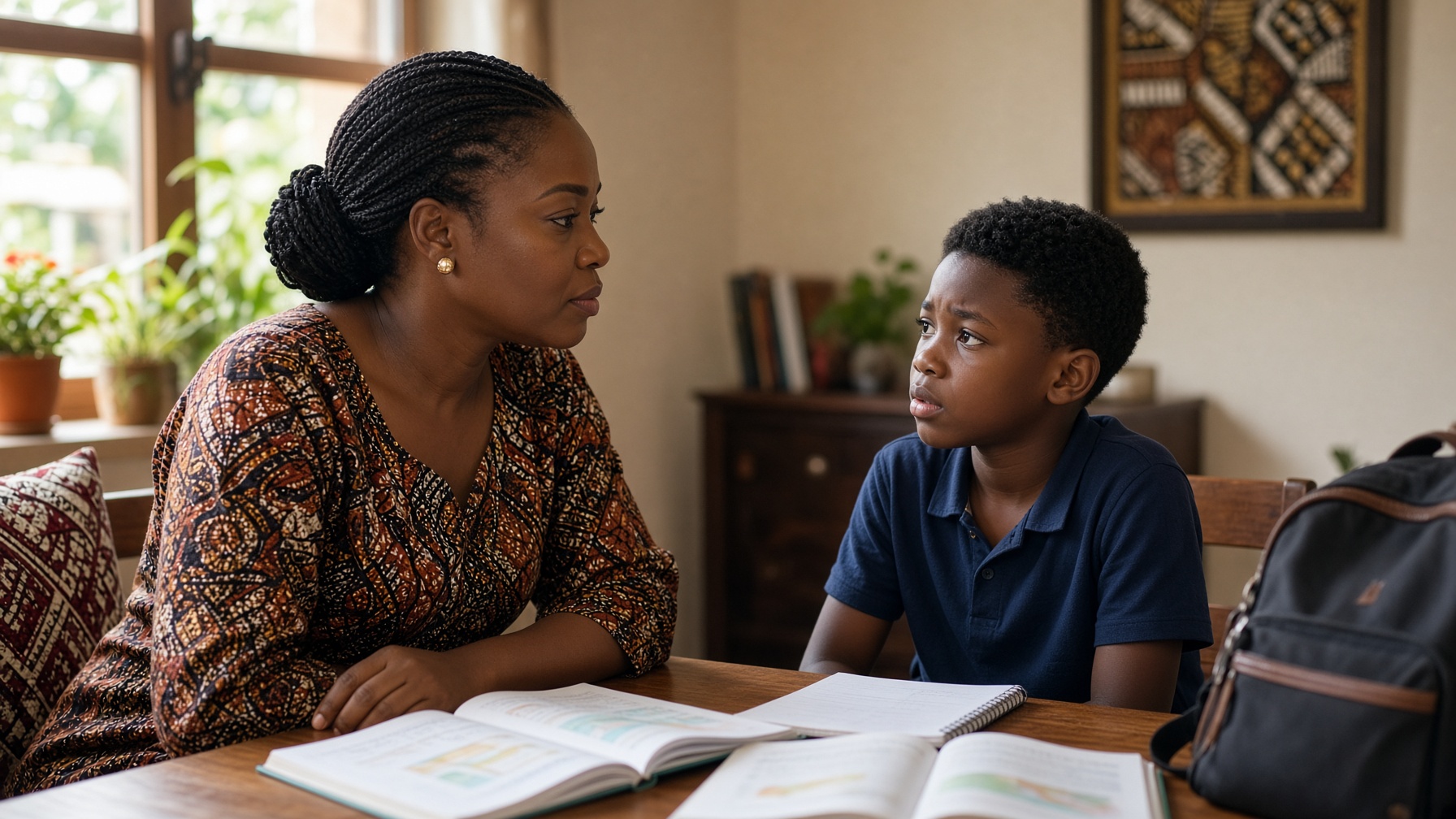
If your child keeps lying to you, about small things, big things, things you can already see are not true — read every word on this page.
You catch them.
You know it is a lie. They know you know. And still they look you in the eye and say it again.
So you raise your voice. Maybe more than your voice.
You tell yourself, “I am only trying to train this child.” You tell yourself, “If I let this go, it will get worse.”
And for one day, maybe two, it looks like it worked.
Then it happens again.
Another lie. A smaller one this time, or a better one. Smoother. Faster. Said with a calm face.
That is the part that scares you. Not that your child lies. All children lie. It is that they are getting good at it.
You lie awake wondering what else you are not being told. You wonder what happens when they are fifteen. Twenty. When the lie is not about homework, but about something that can really hurt them.
And underneath it all, a quieter question you do not say out loud: “Why does my own child not feel safe telling me the truth?”
I know. Because I was that child.
My name is Emeka Douglas.
I am not a child psychologist. I am not a doctor. I am a man who grew up inside this problem, from the child’s side of it.

In the house I grew up in, if we did something wrong, or if our parents even thought we did something wrong, there was no conversation.
No “tell me what happened.” No chance to explain.
Just frustration. Poured out on us. Fast.
I am not telling you this to make my parents the villains. They loved us. They wanted us to turn out well. They were doing what many parents around us were doing, what they probably saw done to them.
But here is what nobody in that house understood.
Children are not stupid.
Very quickly, my siblings and I worked out the pattern. If the truth came out, the heat came with it. So the truth became expensive.
And children do what is cheaper.
How We Became Very Good Liars

Nobody sat us down and said, “Let us learn to lie.”
It happened the way water finds a path downhill. Instinctively.
We learned which stories were believable. We learned what to say first, before anyone could ask. We learned to read our parents’ mood before we opened our mouths. We learned to cover for each other.
And we were successful. For a very long time.
That is the part that still sits heavy with me. We got so good that our parents, I believe, never knew that their own reactions were the ones training us.
They thought they were building honest children.
They were building skilled ones.
The harder the punishment, the better the lie.
We grew up. We reached maturity. The habit came with us.
Lying to teachers became lying to friends. Lying to friends became hiding things from people who actually wanted to help us.
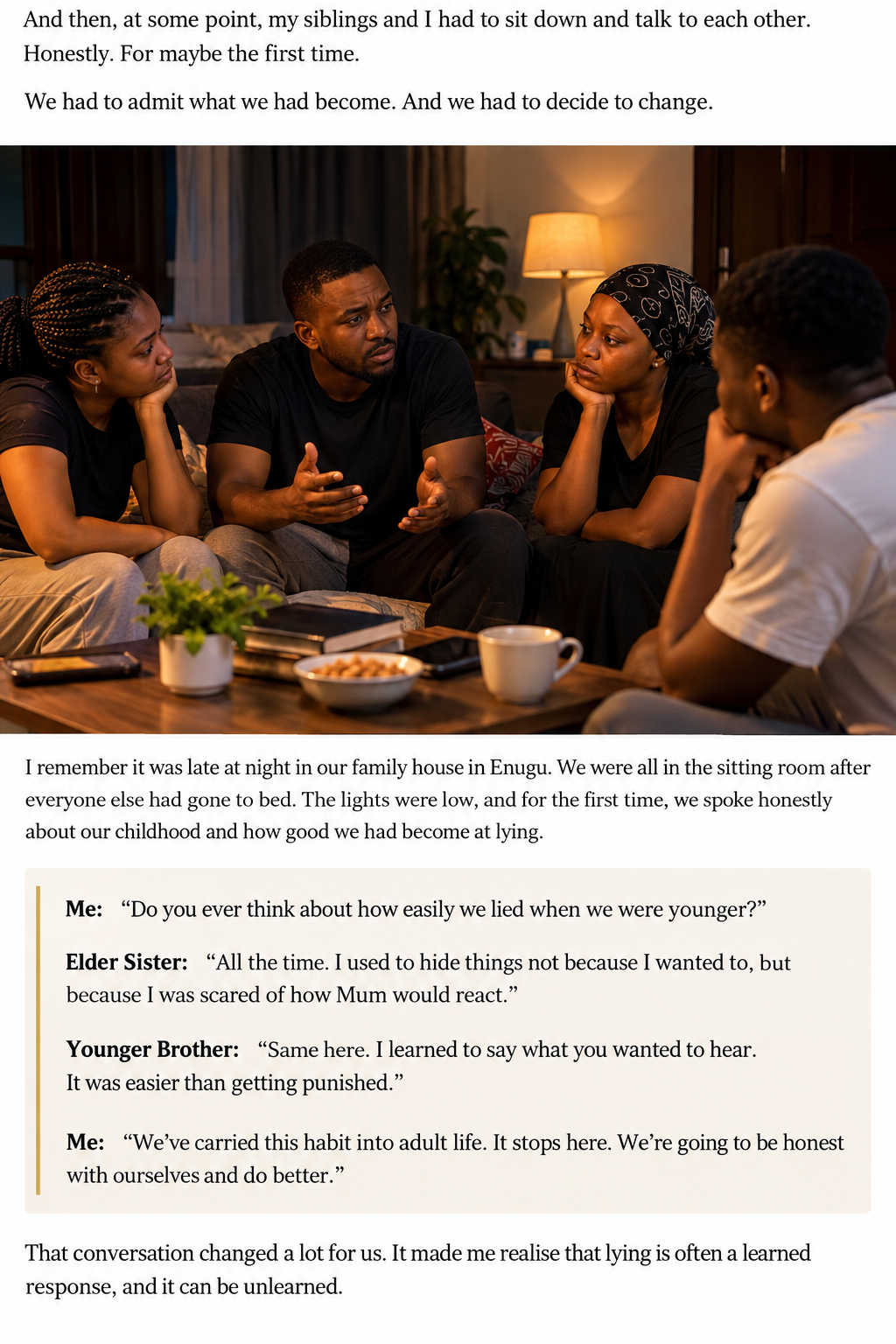
And then, at some point, my siblings and I had to sit down and talk to each other. Honestly. For maybe the first time.
We had to admit what we had become. And we had to decide to change.
The Discovery That Changed Everything
Changing was not quick. It was not comfortable.
Along the way, I leaned on the older people in my life. Uncle Ebuka. Uncle Emeka. Auntie Onyinye. People who had seen more than I had, and who were willing to talk to me honestly about how children really work.
What I took from those conversations, and from my own years on the other side of the lie, came down to one idea.
A child does not lie because he is bad. He lies because the truth has become too expensive.
The Big Idea
Every child has a natural instinct to tell the truth to the people who feel safe.
When telling the truth keeps ending in shouting, shame or beating, the child adapts. He learns that honesty is dangerous and hiding is protection.
That becomes his new normal.
So you can punish the lie as hard as you like. Until the truth becomes safe, the lie keeps getting recreated.
Once I saw it that way, a lot of things made sense. Why my parents’ discipline never produced honesty. Why we got better at lying, not worse. Why the parents I talk to today, loving, tired, trying their best, keep ending up in the same loop.
It is not that you are a bad parent.
It is that nobody ever taught you the other way.
The other way is not soft. It is not “let them do what they like.” It does not mean there are no consequences.
It is simple. It starts with calm. It takes only a few minutes in the moment. And it needs no shouting, no interrogation, no detective work.
I am not going to give you the full method on this page. That is what the guide is for. But I will tell you where it begins.
It begins by taking the heat out of the room before you ask a single question.
What Changes When the Truth Feels Safe
Parents ask me, “How quickly will I see a difference?”
I will be honest with you. I cannot promise a number of days. Every child is different. Every home is different. Age matters. History matters.
What I can tell you is what to look for.
The first sign is small. Your child hesitates before lying. A pause. A half-second where they decide whether they can trust you with the real answer.
Then, one day, they tell you something you did not expect to hear. Something uncomfortable. And they tell you without being cornered.
That is the moment you realise your child is no longer managing you. They are talking to you.
The Real Cost of a Home Where Children Hide Things
The lies are not the real problem.
The real problem is the distance.
When a child learns to hide small things from you, they are learning to hide big things from you too. And one day, when they are in real trouble, and they need an adult who will listen without exploding, they will not come to you.
I do not want that for your family. I did not want it for mine.
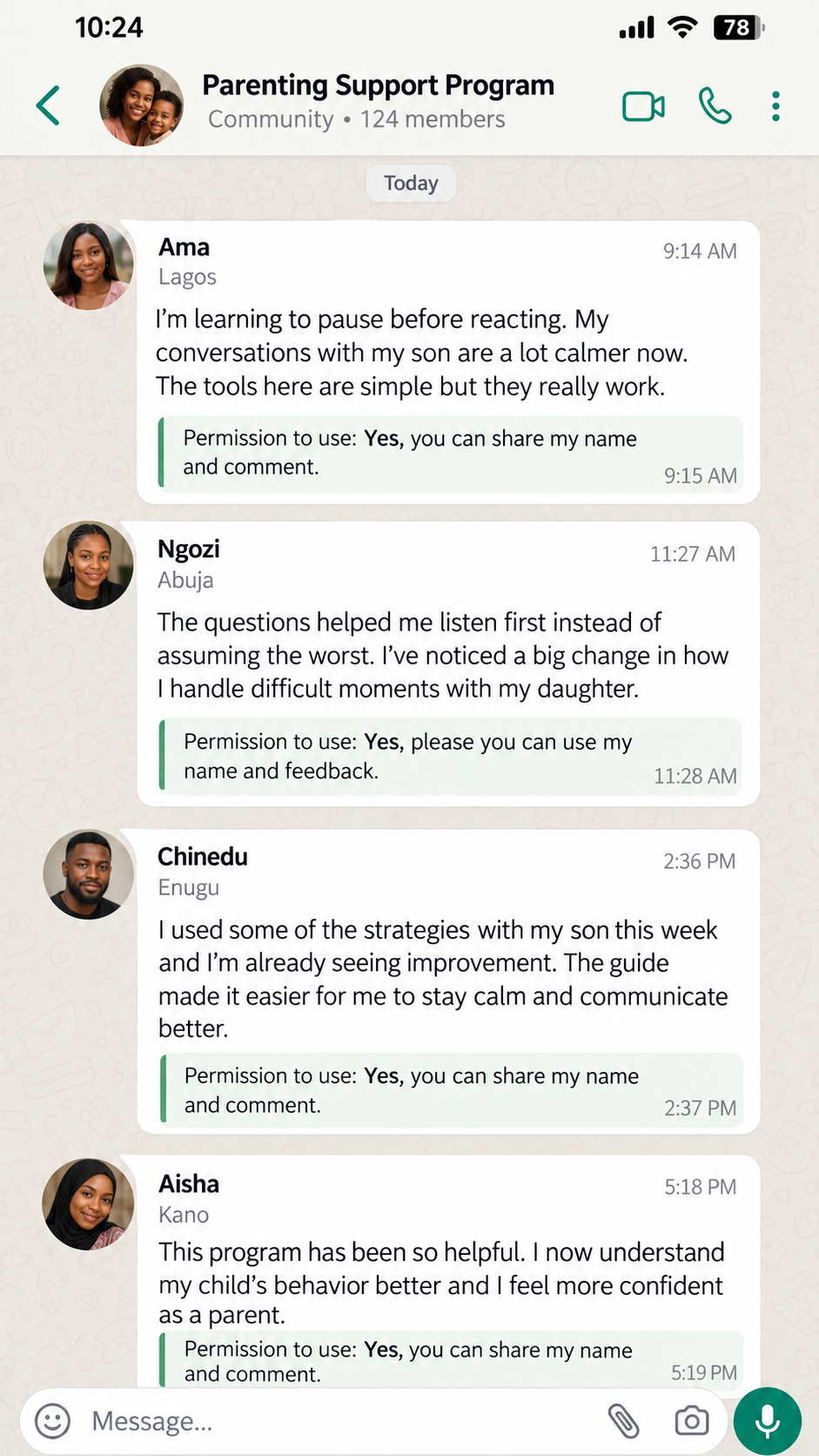
What Other Parents Are Saying
Why I Am Sharing This
I wrote this guide from two places: what I lived as a child, and what I learned from the elders who helped me understand it.
I wrote it for parents who love their children, who are tired, who are scared, and who have never been shown how to do this differently.
If one family gets to skip even a few years of the distance my family had, it was worth writing.
Now Available
The Truth Safe Approach to Childhood Lying™
The Truth Safe Parenting Psychology system for raising children who tell you the truth
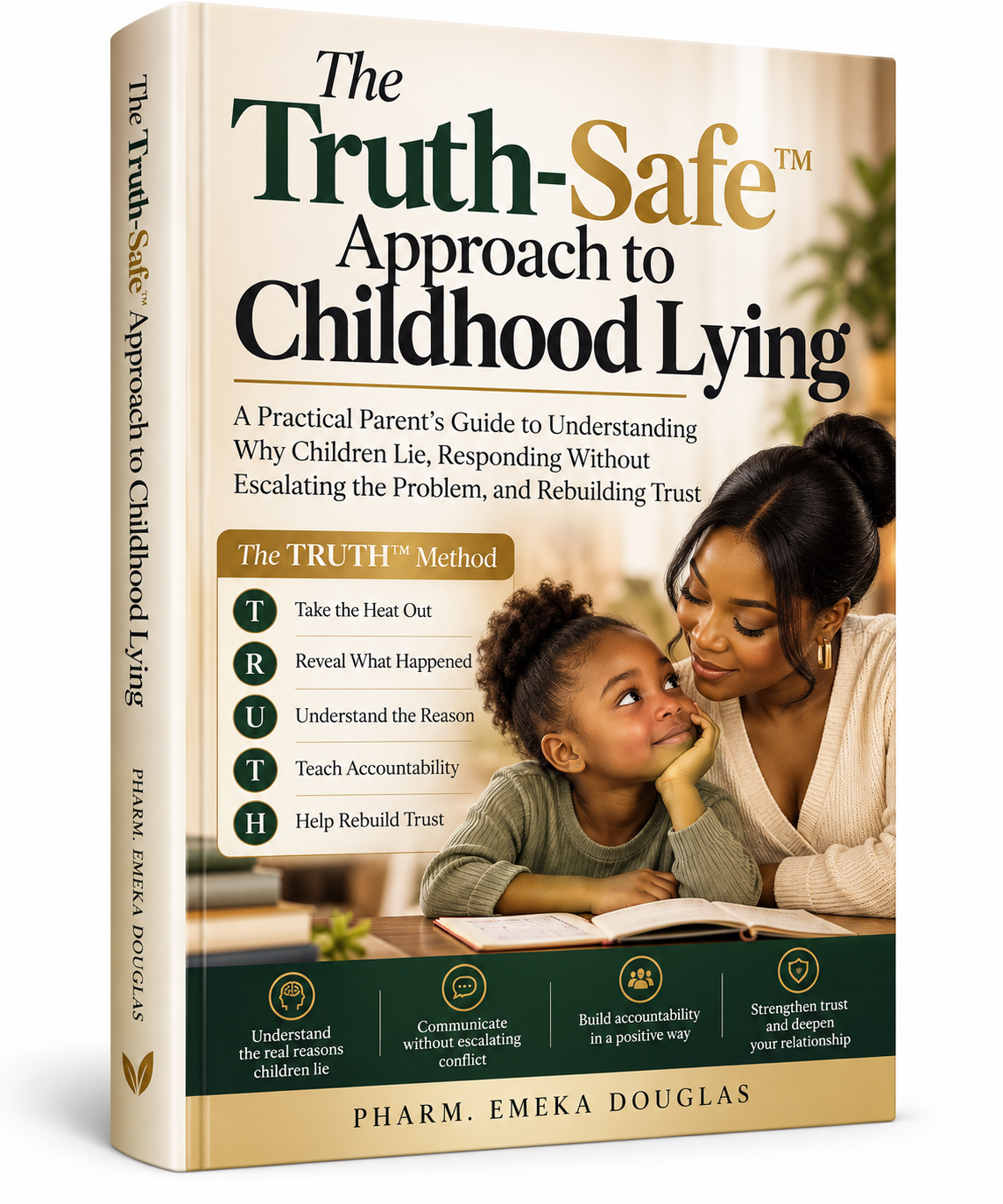
Everything I learned from my own childhood and from the elders who shaped me, written in plain language, so you can start using it the next time your child lies to you.
Inside the guide you will find 7 chapters:
- Chapter 1: Why Does My Child Keep Lying to Me? Understand what is really going on behind the lie.
- Chapter 2: The Punishment Trap. Why the usual approach so often creates better liars, not honest children.
- Chapter 3: Take Out the Heat Before Trying to Get the Truth. The calm that has to come first.
- Chapter 4: Reveal What Happened Without Turning Into a Detective. Getting to the facts without an interrogation.
- Chapter 5: Understand What the Lie Is Telling You. Every lie carries a message. Learn to read it.
- Chapter 6: Teach Accountability Without Teaching Fear. Consequences that build responsibility, not hiding.
- Chapter 7: Help Them Rebuild the Trust They Damaged. Repairing the relationship after the lie is dealt with.
Format: PDF. Read it on your phone, tablet or computer. Nothing to buy, no special tools needed.
Compare That To What Parents Usually Try
- Shouting and lectures. They release the pressure for you, but the child learns to wait it out.
- Beating or harsh punishment. It teaches the child to hide better, not to be more honest.
- Interrogating until they confess. It turns every conversation into a trial.
- “Just wait, they will outgrow it.” Some children do. Many simply get better at it.
- Advice from everyone at church, family WhatsApp and the internet. Plenty of opinions, no system.
The real cost, the one nobody puts a number on: a child who stops telling you the truth, and a parent who slowly stops knowing their own child.
How Much Does This Guide Cost?
I could have priced this like a course. I did not.
The regular price of the guide is ₦9,500. But I want it to be within reach of any parent who needs it.
The Truth Safe Approach to Childhood Lying™ + 3 Bonuses
₦9,500
₦6,500
One-time payment. Instant digital delivery.
Once You Click That Button, Here Is What Happens
- You are taken to the secure payment page.
- You complete your payment.
- Your guide and bonuses are delivered to you right away.
If anything does not arrive, message me and I will personally sort it out.
WAIT. I Have Something Extra For You…
When you get the guide today, you also receive these three bonuses.
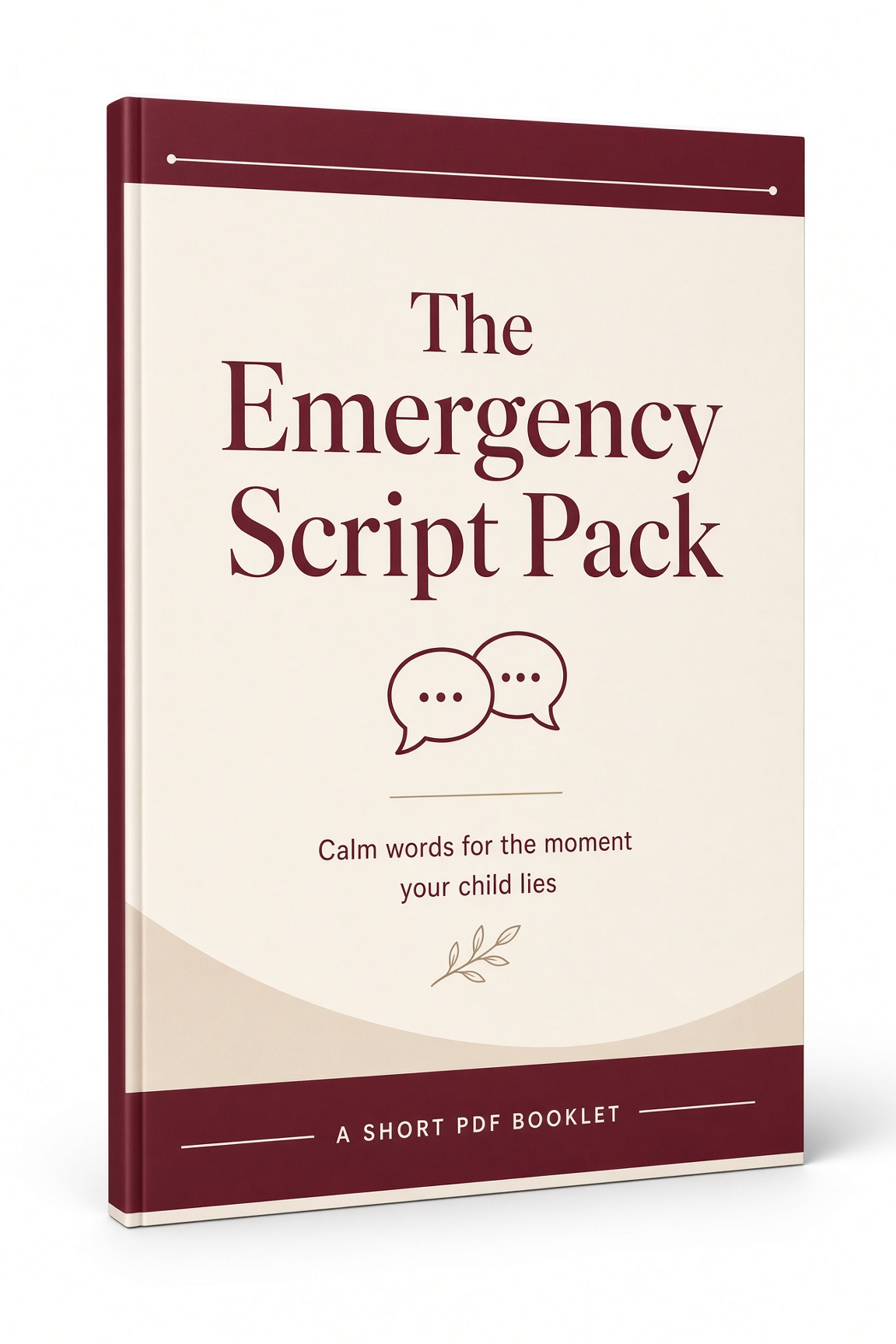
Ready-to-use words for the moment your child lies and you do not know what to say. Open it, read the line, say it calmly.
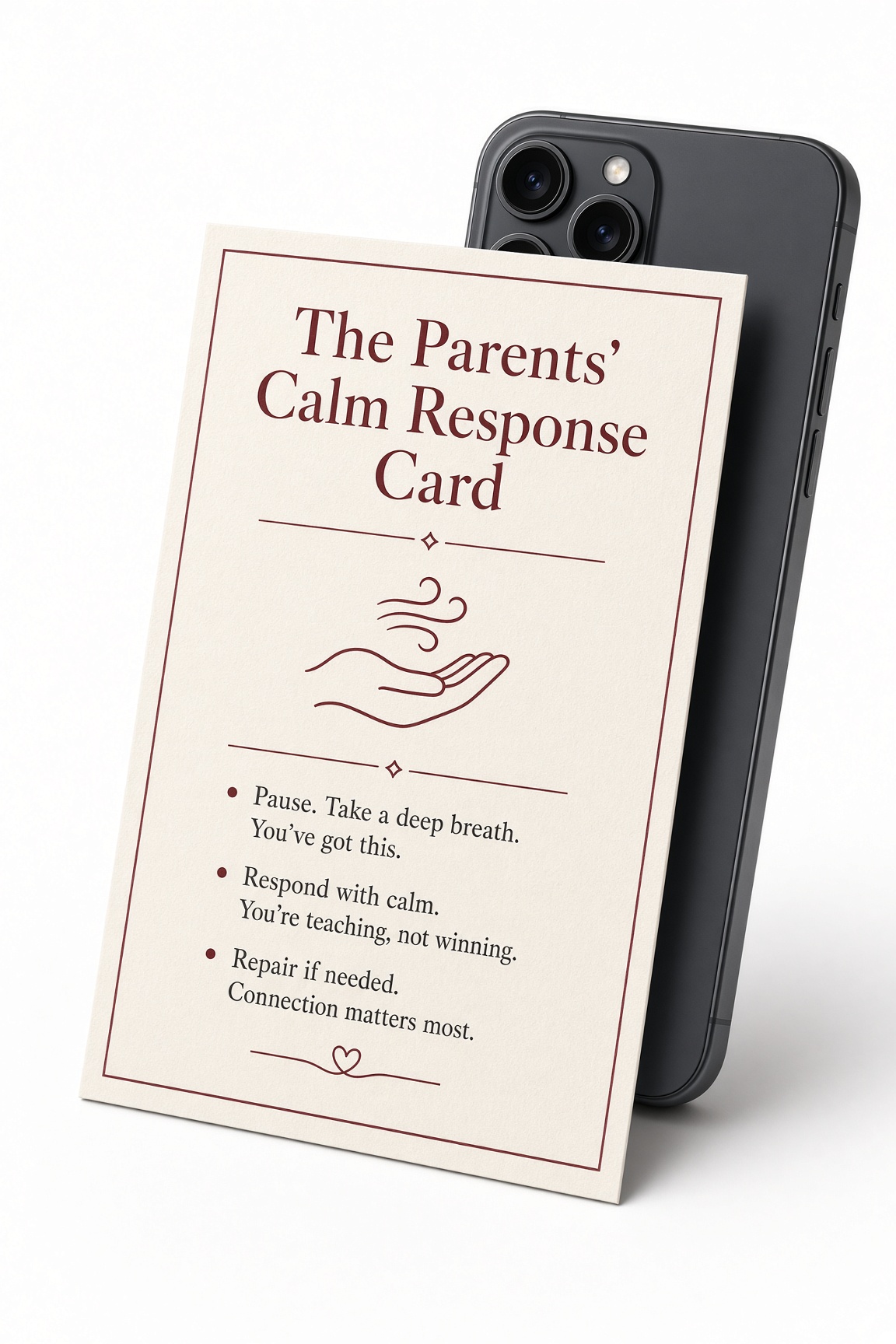
A one-page card you can keep on your phone or stick on the fridge. It helps you reset before you react.
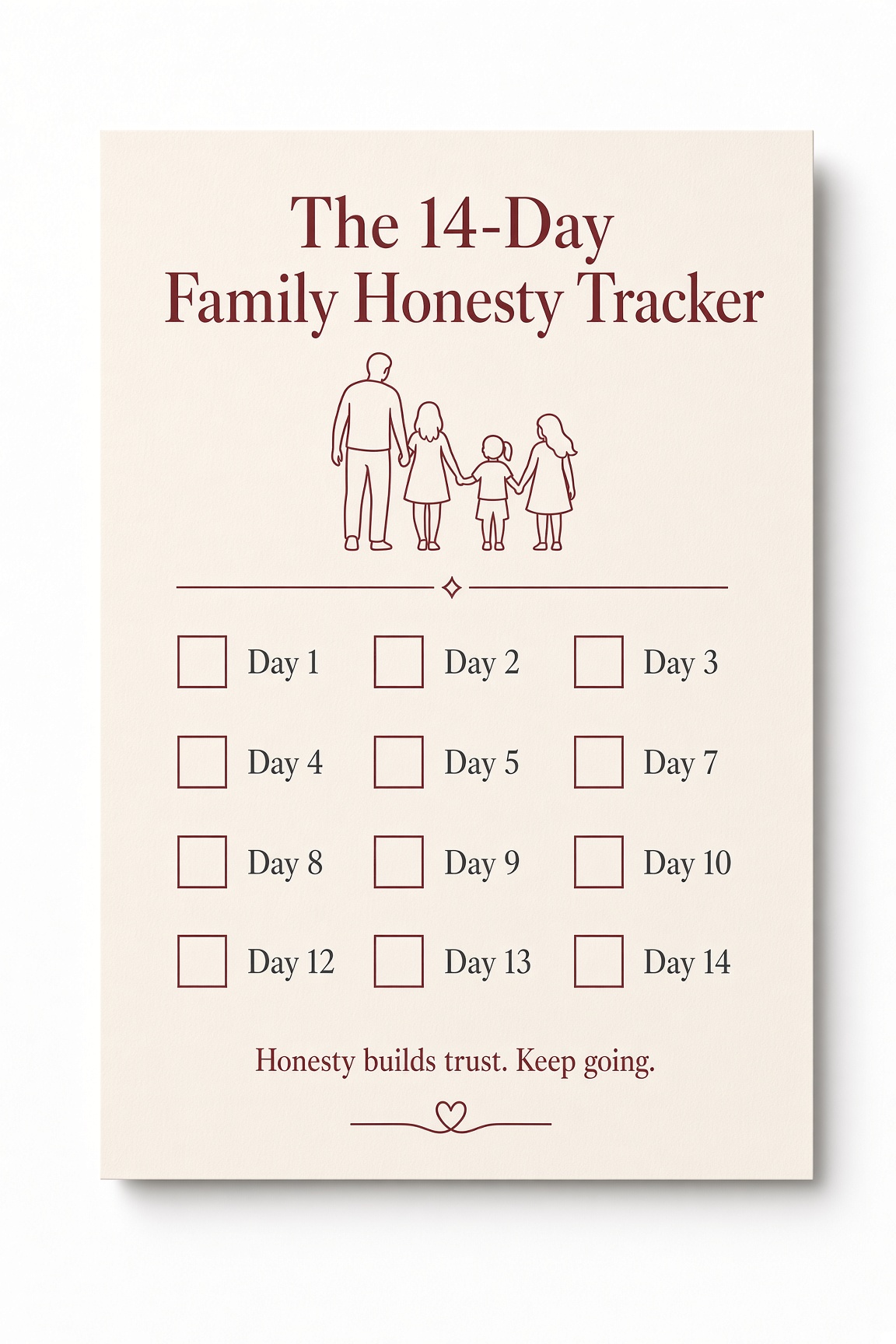
A simple 14-day tracker that makes honesty something the whole family practises together, not just something the child is told to do.
Everything You Are Getting Today
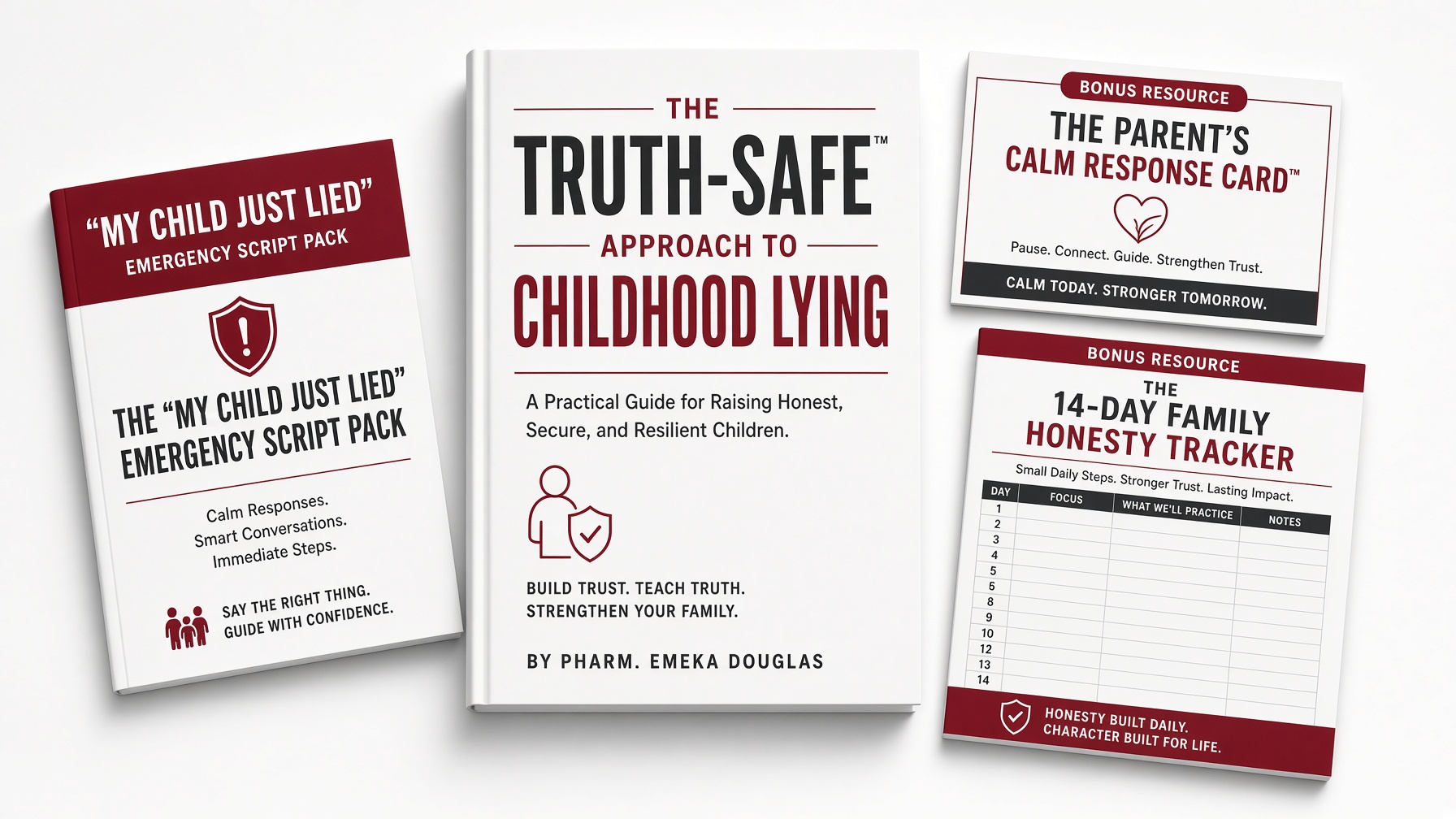
| ✓ The Truth Safe Approach to Childhood Lying™ (7 chapters) | ₦9,500 |
| ✓ Bonus 1: The Emergency Script Pack | ₦2,500 |
| ✓ Bonus 2: The Parents’ Calm Response Card | ₦2,000 |
| ✓ Bonus 3: The 14-Day Family Honesty Tracker | ₦3,000 |
| Total Value | ₦17,000 |
| You Pay Today | ₦6,500 |
Right Now, You Have Two Choices
Choice 1: Do nothing
- Your child keeps lying, a little better each time.
- You keep reacting, and the cycle continues.
- The distance between you slowly grows.
- You keep wondering what you are not being told.
- The habit follows them into adulthood.
Choice 2: Start today
- You learn why your child is lying.
- You get calm words for the hardest moments.
- You stop being the detective.
- Your child learns the truth is safe with you.
- You begin rebuilding trust, one conversation at a time.
The Truth Safe Approach to Childhood Lying™ + 3 Bonuses
₦9,500
₦6,500
One-time payment. Instant digital delivery.
Get The Truth Safe Approach NowOne Last Thing…
Picture yourself one month from today.
Will your child pause before lying, and then decide to tell you the truth instead?
Will you walk into a hard conversation calm instead of braced for a fight?
Will you hear the real story, without having to drag it out?
Will you finally feel that you are guiding your child, not chasing them?
Will your home feel a little lighter?
Now picture yourself one month from today if you close this page.
Everything stays the same. The same lies. The same frustration. The same distance.
The difference between those two versions of your home is a decision you make in the next sixty seconds.
If you have read this far and you are still hesitating —
Maybe it is because part of you believes you should already know how to do this. You should not. Nobody handed you a manual. Most of us were raised the way my siblings and I were.
Investing in how you talk to your child is not a luxury. It is one of the few things that pays back for the rest of their life.
If you cannot invest ₦6,500 in the trust of your own child, what will it cost you later to rebuild it?
Stop hesitating. Choose your child.
P.S. You are covered by my refund promise. The only real risk is doing nothing.
P.P.S. The bonuses, the Emergency Script Pack, the Calm Response Card and the 14-Day Family Honesty Tracker, come with the guide at this price.
P.P.P.S. Every day you wait is another day your child gets better at hiding things from you.
With love for your family,
Emeka Douglas
Frequently Asked Questions
How is the guide delivered?
It is a digital PDF. After payment you get access right away.
Do I need anything special to use it?
No. You need the guide and a willingness to respond differently the next time your child lies. The bonuses give you words and tools for the hard moments.
What if my child’s lying is serious or long-standing?
The guide is built for everyday lying and for early correction. If your child’s behaviour is severe, or you are worried about their wellbeing or safety, please also speak with a qualified counsellor or child professional. This guide is education, not therapy.
What if my spouse or elders disagree with this approach?
Many parents have heard “just beat it out of them.” The guide explains, in plain language, why that so often backfires, and Chapter 6 shows how to keep real consequences without teaching fear. Many parents find it easier to bring others along once they understand the reasoning.
How is this different from other parenting advice?
It starts from one idea: children lie when the truth feels unsafe. Instead of more punishment, it gives you a step-by-step way to make the truth safe, and still hold your child accountable.
Results vary by child, age and family. This guide is educational and is not a substitute for professional advice.